
Top-Rated Supplies For Concrete Installation Projects
Select from trusted products designed to enhance workflow, durability, and overall quality in concrete work.
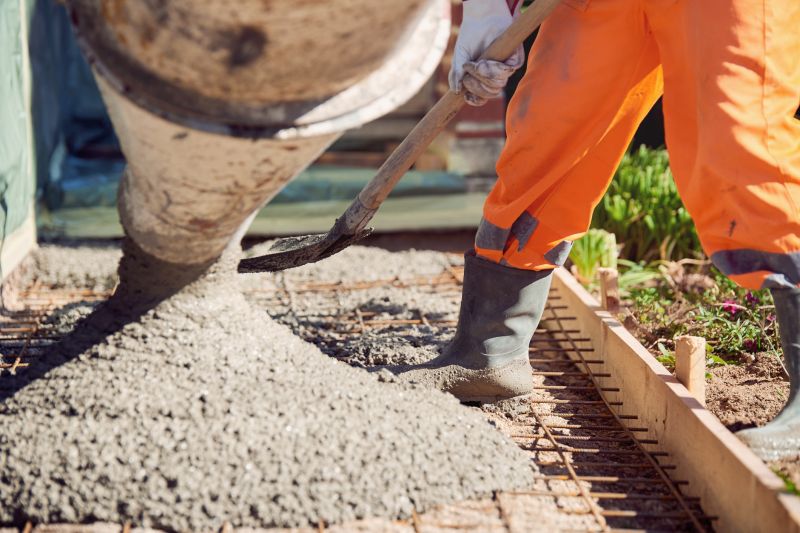 Concrete installations are foundational elements in many construction and renovation projects, ranging from driveways and sidewalks to decorative patios and structural supports. Selecting the right products for these applications ensures durability, safety, and aesthetic appeal. Whether you are a professional contractor or a DIY enthusiast in Cedar Rapids, IA, understanding the variety of available products can help you make informed decisions. Proper preparation, mixing, and finishing are crucial steps that depend on using the appropriate tools and materials. From setting forms and reinforcing structures to sealing and finishing surfaces, the right products can significantly impact the longevity and appearance of concrete installations.
Top Overall Option
Concrete Mix and Curing Compound Set
A comprehensive set of high-quality concrete mix and curing compounds provides a reliable foundation for various concrete projects. This combination ensures proper hydration, strength development, and surface finish, making it suitable for both small repairs and large-scale installations. Its versatility and ease of use make it a favored choice for many professionals and DIYers aiming for consistent results.
Types of Products For Concrete Installations
Concrete Mixes
Various types of concrete mixes tailored for different structural and decorative applications, including standard, high-strength, and rapid-setting options.
Reinforcing Mesh and Rebar
Materials used to reinforce concrete structures, improving tensile strength and crack resistance.
Form Release Agents
Products that facilitate easy removal of forms and molds, ensuring clean edges and surfaces.
Bonding Agents
Adhesives that improve the bond between old and new concrete surfaces or between layers.
Curing Compounds
Sprays or liquids applied to concrete surfaces to retain moisture and promote proper curing.
Expansion Joints
Materials that accommodate movement and prevent cracking in large slabs or structures.
Sealants and Surface Sealers
Products that protect concrete surfaces from moisture, stains, and wear.
Concrete Edging Tools
Tools designed for creating clean, defined edges on concrete slabs and walkways.
Surface Finishing Tools
Trowels, floats, and brushes used to achieve desired surface textures and smoothness.
Vapor Barriers
Materials installed beneath concrete slabs to prevent moisture transmission.
Concrete Dyes and Stains
Coloring agents used to enhance the aesthetic appeal of concrete surfaces.
Concrete Repair Products
Patching compounds, epoxies, and fillers designed for fixing cracks and surface damage.
Vibration and Compaction Equipment
Tools such as vibrators and tampers that help eliminate air pockets and achieve uniform density.
Surface Texturing Products
Materials and tools used to create slip-resistant or decorative textures.
Waterproofing Membranes
Layers applied to concrete surfaces to prevent water ingress and damage.
Concrete Cutting and Drilling Tools
Equipment used for precise cuts, expansion joint installation, and modifications.
Popular Choices
Convenient ready-to-use mixtures suitable for small to medium projects and repairs.
Widely used for strengthening concrete slabs and foundations.
Popular for ensuring clean form removal and smooth finishes.
Commonly chosen for surface protection and aesthetic enhancement.
Effective in managing movement and cracking in large concrete surfaces.
Used to retain moisture during curing, especially in variable weather conditions.
Essential for removing air pockets and achieving uniform compaction.
Popular for decorative finishes and color customization.
Widely used for fixing surface cracks and structural repairs.
Commonly selected for smoothing and finishing concrete surfaces.
Frequently used in basement and foundation applications.
Popular for preventing moisture migration beneath slabs.
Favored for creating neat and defined edges on slabs and walkways.
Chosen for decorative patterns and slip-resistant finishes.
Commonly used to protect and enhance the longevity of concrete surfaces.
Essential for precise cuts, expansion joints, and modifications.
Popular for compaction in small to medium projects.
Used to repair or decorate existing concrete surfaces.
In addition to basic tools and materials, specialized products such as bonding agents, curing compounds, and expansion joints are often necessary for complex or large-scale projects. These items help manage issues like cracking, adhesion, and moisture retention. It is also important to consider environmental factors specific to Cedar Rapids, IA, such as temperature fluctuations and moisture levels, which can influence product selection and application techniques. Investing in quality products tailored for concrete work can lead to more successful outcomes and reduce the need for costly repairs or rework.
Understanding the different types of products available allows users to customize their approach based on project scope and specific requirements. For example, decorative concrete finishes might require different sealers and overlays compared to structural elements. Properly selecting and using these products can enhance the overall quality of the installation while ensuring compliance with safety standards. Whether you are installing a new driveway or refurbishing an existing slab, choosing the right products is a key step toward achieving durable and appealing results.
Key Buying Considerations
- Project scope and size to determine appropriate product quantities and types.
- Climate conditions in Cedar Rapids that may influence curing and sealing needs.
- Compatibility of products with existing surfaces or materials.
- Desired finish or aesthetic outcome, such as smooth, textured, or colored surfaces.
- Strength requirements based on load-bearing or structural considerations.
- Ease of application and available tools or equipment.
- Durability and resistance to environmental factors like moisture and temperature fluctuations.
- Curing and drying times to fit project timelines.
- Budget constraints without compromising essential quality.
- Safety and handling instructions for chemical products.
- Long-term maintenance and reapplication needs.
- Compliance with local building codes and standards.
- Availability of replacement parts or compatible accessories.
- Environmental conditions during application, including temperature and humidity.
- Expertise level required for proper application and finishing.